
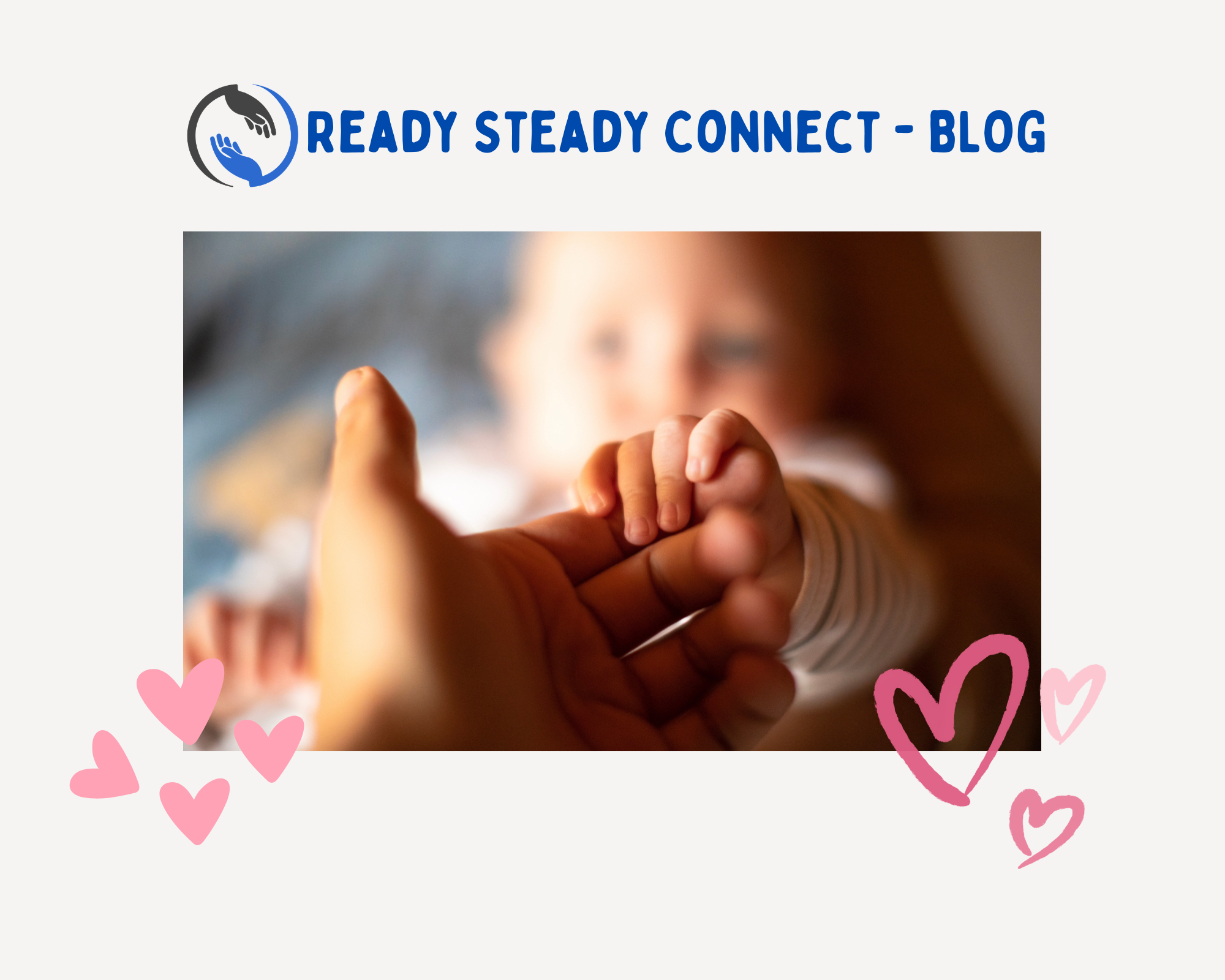
We are all social beings, no matter how we feel about it or how much we like to be social or not. I’m not particularly social in a group but I sure need good connection time with family and friends at regular intervals.
Connection is who we are
This need for connection is wired into our DNA because it’s all about survival. From the moment we enter the world, life is experienced in a colourful tapestry of connections (which also goes by the name of relationships or attachments). Sometimes ‘colourful’ is full of joy and wonder and sometimes it’s a relentless struggle. That’s where emotions and feelings come in.
Connection and language development
But getting back to connection, it’s what our kids thrive on. Our babies, our toddlers, our young children, our teens they love to be close to us. In fact, they like it so much they start copying our words and actions at around 1-2 years and that kick starts their spoken language development. And don’t swear in front of your 3 year old because they are like sponges for language and being just like their parents!
When this vital connection works it’s great. They listen to our words of wisdom, they do what we say (not as we do!), they look up to us for guidance and comfort. Everyone is happy. But it doesn’t last. It’s not
meant to.
Connection and resilience
Children need to experience things that don’t work for them in the context of a strong attachment in order to become resilient (and a bunch of other really cool developmental outcomes like empathy, confidence and self awareness). But here’s the problem: they need only just enough adversity to chew on, to process and to recover from. The rest of the time they need a lot of connection and play.
When LIFE gets in the way
A few things can get in the way of our children developing healthy attachments and emotional resilience. Among them is something called LIFE: Living In Fear of Experiences. And I mean experiences that make children feel dis-connected from their beloved attachments to parents, teachers, peers etc. Like feeling rejected, feeling
overwhelmed, feeling rushed, feeling too much.
And what do I mean by ‘Fear’? Just that we have an alarm system that keeps us safe from perceived danger. The idea being that if a lion is hunting you, your body goes into high alert and the blood rushes to your limbs and you are out of there! Instead of a lion, our children are faced with ‘perceived threat’ from all angles. And it stresses them out. Their innocent, vulnerable immaturity feels threatened and that has an effect. We call that stress.
Feeling disconnected
Feeling threatened then is like feeling disconnected and it affects us in different ways. It is abundantly clear to see in our childrens behaviour, how they communicate, what they say, their sleep and eating patterns. Everything we observe on the surface tells a story of what’s going on inside them. And what’s going on inside affects how they relate to others on the outside.
Relationships matter
None of this is new. It’s now scientifically proven that relationships matter. Strong relationships with caregivers in childhood are the super-protective factor in reducing negative habits in later life. And who doesn’t want that for our kids?
We want the best for our kids but their behaviour and experiences can make this really hard for us to cope with. How can we save our struggling child when we are drowning ourselves?
So what’s the answer? Is there an answer? Or is there an approach that would give us a lifeline to cope better. Can we do more than cope? Can our children thrive no matter what their starting point is or what our starting point is?
I believe that our children have a built-in recovery system to any adversity or childhood trauma. As Dr Gabor Mate says, trauma is not what happens to you, it is the response we have to what happens that can be traumatic. In his Compassionate Inquiry approach, he focuses on that response and healing from within relationships.
Finding our LEAD
For parents like me this comes down to one thing. That is becoming the parent my child needs, finding my emotional resources to have a strong attachment with my child so she can have a strong attachment with me. As she grows older, her attachment village will change and grow but I should always be constant. I call this the LEAD approach because our children need caring, alpha parents to know them, to guide them and to be their anchor.
Laura Newman MSc, RCSLT is the director of Ready Steady Connect, providing Speech and Language Therapy and Behaviour Support for families, and training in the LEAD approach for professionals. Based on developmental science, this approach puts relationships and emotional well-being at the heart of supporting our children and youth.
www.ReadySteadyConnect.com for parent support
www.LEADapproach.com for professional trainings and supervision
FB: @leadapproach
